Source Silicone Lip Balm Caps for tubes, balms, and travel kits
Compare 30 listings for Silicone Lip Balm Caps designed for various cosmetic tubes. Buyers can evaluate customization options, material certifications, and pricing for bulk orders of eco-friendly soft silicone components.
Key considerations
Products List


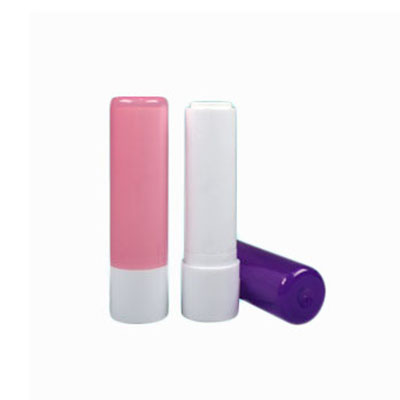


Lipstick Tube Package Case Cosmetics Empty Plastic Tube Lip Balm Stick Packaging
$0.22 - $0.49
MOQ: 10000 Pieces


$0.04 - $0.04
MOQ: 10000 Pieces


Silicone Rubber Caps with Many Colors
$0.07 - $0.07
MOQ: 1000 Pieces
Ningbo Beilun Hengnai Fluorine & Plastic Production Co., Ltd.

Silicone Rubber Caps with High Quality
$0.07 - $0.10
MOQ: 1000 Pieces
Ningbo Beilun Hengnai Fluorine & Plastic Production Co., Ltd.


Comprehensive Sourcing Guide
Strategic Sourcing Guide for Silicone Lip Balm Caps
Understanding Material Composition and Physical Properties
When sourcing Silicone Lip Balm Caps, the primary differentiator lies in the material composition and its resulting physical characteristics. The market offers distinct variations, ranging from 100% eco-friendly soft silicone to rigid thermosetting plastics and ABS materials. For buyers specifically targeting silicone, the critical observation is the "soft" nature of the material, which provides a tactile experience distinct from hard plastic alternatives. The product attributes indicate that silicone caps are often designed with an "Abstract" or "Cartoon" shape, catering to a "Cute" and "Customized" aesthetic. This flexibility allows for complex designs, such as keyring attachments, which are not feasible with rigid materials like ABS or standard PE tubes.
The physical dimensions of these caps vary significantly based on the intended application. While some specifications list a standard size of 2-10cm, others provide precise measurements like W19.2*H71.4MM for specific tube models. The volume capacity for the associated lip balm tubes often ranges between 3-4 grams, suggesting that the cap must be engineered to fit small travel tubes and lip balms securely. The "Hollow" nature of some tube designs implies that the cap must provide a robust seal to prevent leakage, a feature that soft silicone often achieves through compression. Buyers must verify that the selected silicone material is compatible with the specific lip balm formula, as the softness of the material can sometimes interact differently with various cosmetic bases compared to rigid plastics.
Technical Specifications and Customization Capabilities
Customization is a dominant feature in the silicone lip balm cap market. The data confirms that "Customization" is available across multiple attributes, including pattern, design, and standard dimensions. Unlike off-the-shelf components, these caps are frequently produced to specific requirements, allowing brands to create unique "Cartoon Keyring" designs or abstract shapes that align with their identity. The "Customized" pattern attribute suggests that molds can be adjusted to produce intricate details, which is a significant advantage for marketing-driven cosmetic products.
The manufacturing process plays a crucial role in the final appearance and functionality of the cap. Surface handling techniques such as "Silk Screen" and "Hot Stamp" (H/S) are commonly applied to silicone caps. These processes allow for the application of logos and branding directly onto the soft material. The "Logo" attribute confirms that both silk screen (S/S) and hot stamping are viable options, offering different aesthetic finishes. For buyers requiring specific branding, verifying the compatibility of the chosen printing method with the silicone surface is essential. Additionally, the "Decoration" attribute is listed as "Custom," indicating that the cap can be further embellished beyond simple printing.
| Feature | Silicone Cap Attributes | Rigid Plastic (ABS/PE) Attributes |
|---|---|---|
| Material Feel | Soft, Eco-Friendly | Hard, Rigid |
| Design Flexibility | High (Abstract, Cartoon) | Moderate (Round, Standard) |
| Surface Treatment | Silk Screen, Hot Stamp | Silk Screen, Screen Printing |
| Sealing Mechanism | Compression (Soft) | Screw Cap (Threaded) |
| Customization | Pattern, Shape, Logo | Shape, Logo, Color |
Compliance, Certification, and Safety Standards
Safety and regulatory compliance are non-negotiable when sourcing cosmetic packaging. The supplied facts highlight specific certifications that buyers should prioritize. Products are often listed with "FDA / LFGB" certifications, which are critical for items that come into direct contact with consumable goods like lip balm. FDA certification ensures the material is safe for food and cosmetic contact in the United States, while LFGB (Lebensmittel- und Bedarfsgegenständegesetz) is the German standard for food and cosmetic safety, often required for European markets.
While the background knowledge mentions standards like ISO 22716 or ASTM D6400, these should not be assumed as inherent properties of every listed product. Instead, buyers must explicitly request and verify certification documents for the specific batch or supplier. The presence of an "ISO" certification in the general product data suggests that some suppliers adhere to quality management systems, but this should be confirmed against the specific silicone product line. Furthermore, the material is described as "100% Eco-Friendly Soft Silicone," which implies a focus on sustainability. However, buyers should not assume biodegradability or compostability based solely on the term "Eco-Friendly" without verifying specific environmental certifications or testing results. The verification of these standards is a critical step in the procurement process to ensure market access and consumer safety.
Cost Drivers and Minimum Order Quantity Analysis
The economics of sourcing Silicone Lip Balm Caps are influenced by several factors, including material costs, customization complexity, and order volume. The observed Minimum Order Quantity (MOQ) ranges widely from 100 to 20,000 units, with specific instances noting 300 PCS or 1000 units as thresholds. This variability indicates that suppliers may have different production lines or capacity constraints. Smaller MOQs, such as 100 or 300 units, are often associated with ready-made molds or simpler designs, whereas higher volumes are required for fully custom molds and complex surface treatments like hot stamping.
The price range observed in the market is between 0.01 and 1.5 USD per unit. This wide range reflects the diversity in product complexity. A basic, unbranded silicone cap will likely fall at the lower end of this spectrum, while a custom-designed, multi-colored cap with silk screen printing and a keyring attachment will command a higher price. The "Selling Units" are typically listed as "Single item," suggesting that pricing is calculated per piece rather than per set, though bulk discounts are common. Buyers should be aware that the cost of tooling for custom molds is often a separate initial investment, which can be amortized over larger production runs. Understanding the relationship between the desired customization level and the resulting MOQ is essential for budgeting and inventory planning.
Typical Applications and Functional Integration
Silicone Lip Balm Caps are primarily designed for the cosmetic industry, specifically for lipsticks, lip balms, and small travel tubes. The "Usage" attribute explicitly states that these caps "Fits Most Lipsticks, Lip Balms, Small Travel Tubes," highlighting their versatility. The "Industrial Use" is categorized under "Cosmetic," confirming their intended application. The functional design often includes a "Screw Cap" mechanism, which ensures a secure closure to prevent the lip balm from drying out or leaking during transport.
Beyond simple containment, these caps often serve as a branding vehicle. The "Cartoon Keyring" design suggests that the cap can be integrated into a keychain, adding a functional accessory to the cosmetic product. This dual-purpose design is particularly popular for travel-sized products where portability and brand visibility are paramount. The "Hollow" nature of the tube design mentioned in the data implies that the cap must accommodate the specific geometry of the tube, ensuring a snug fit. The "Volume" of 3-4g is typical for single-use or travel-sized lip balms, making the cap size critical for maintaining the product's compact profile. Buyers should ensure that the cap's internal dimensions align perfectly with the lip balm tube's diameter to avoid issues with threading or sealing.
Supplier Evaluation and Quality Control Protocols
Evaluating suppliers for Silicone Lip Balm Caps requires a rigorous approach to quality control and capability assessment. The "Place of Origin" is frequently listed as "GUANGDONG" or "China," regions known for high-volume manufacturing but with varying levels of quality consistency. Buyers should verify the supplier's ability to maintain the "100% Eco-Friendly" claim through material testing and their adherence to the "FDA / LFGB" standards. Requesting physical samples is a critical step; the "Free Sample" attribute indicates that many suppliers are willing to provide prototypes for evaluation.
Quality control should focus on the consistency of the "Soft Silicone" material, ensuring it does not degrade or become sticky over time. The surface treatment, whether "Silk Screen" or "Hot Stamp," must be checked for adhesion and color fastness. Buyers should also inspect the dimensional accuracy of the cap, ensuring it fits the "Round" or "Abstract" shapes as specified. The "Thickness" and "Hardness" attributes, such as "Hoses" or specific measurements, should be verified against the product specifications to ensure the cap provides the necessary protection. Establishing a clear communication channel regarding defect rates and return policies is essential, especially when dealing with custom molds and high-volume orders.
Long-Term Procurement and Supply Chain Considerations
For long-term procurement, buyers must consider the scalability and reliability of their supply chain. The wide range of MOQs suggests that suppliers can accommodate both startup brands and established companies, but the transition from small to large orders requires careful planning. The "Customized" nature of the product means that once a mold is created, it is a significant asset. Buyers should secure the rights to the mold and ensure that the supplier has the capacity to maintain it for future reorders.
Sustainability is a growing concern in the cosmetic industry. While the material is described as "Eco-Friendly," buyers should investigate the end-of-life options for the silicone caps. Are they recyclable? Can they be repurposed? The "Feature: recyclable" attribute found in some product data suggests that some suppliers offer sustainable options, but this should be confirmed for the specific silicone product. Additionally, the "Lead Time" and "Production Capacity" should be discussed to ensure that the supplier can meet demand during peak seasons. Building a relationship with a supplier who offers consistent quality, transparent communication, and reliable delivery schedules is crucial for maintaining brand reputation and operational efficiency in the competitive cosmetic market.
FAQs
What certifications are available for Silicone Lip Balm Caps?
FDA and LFGB certifications are available for Silicone Lip Balm Caps to ensure safety for cosmetic contact. These standards verify the material is safe for use with consumable goods like lip balms and small travel tubes.
Can I customize the shape and pattern of the caps?
Yes, customization is available for both shape and pattern to create unique designs. Buyers can request abstract or cartoon keyring styles with specific dimensions ranging from 2 to 10 centimeters as per their requirements.
What is the minimum order quantity for these caps?
The minimum order quantity varies between 100 and 20000 units depending on the supplier and design complexity. Some specific listings indicate thresholds of 300 or 1000 pieces for standard production runs.
How are the caps decorated or printed with logos?
Logos can be applied using silk screen printing or hot stamping techniques directly onto the soft silicone surface. These processes allow for custom branding while maintaining the integrity of the eco-friendly material.
Which materials are used for lip balm packaging tubes?
Tubes are made from 100% eco-friendly soft silicone, ABS plastic, or PE plastic depending on the specific product model. The silicone options offer a soft feel, while rigid plastics provide a screw cap mechanism.
Where are these Silicone Lip Balm Caps manufactured?
The products originate from manufacturing facilities located in Guangdong, China. This region is a known hub for producing cosmetic packaging with varying levels of customization and volume capacity.